

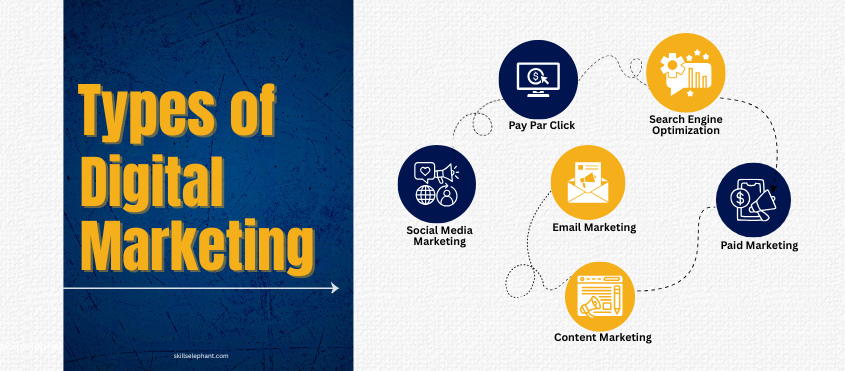
Digital marketing is everywhere, from the emails you receive from your favourite brands to the Instagram ads you scroll past. Traditional marketing is no longer the only strategy used by businesses today. To reach the right audience at the right time, they use digital platforms.
But digital marketing is not just one thing: it includes multiple strategies and channels. Businesses can choose the best strategy, and students can develop strong career skills by knowing the different types of digital marketing.
What is Digital Marketing?
Simply, Digital marketing means promoting products or services using the internet. Nowadays, Businesses now use websites, social media, search engines, and mobile platforms in place of billboards and newspaper ads.
The beauty of digital marketing is that it is measurable, flexible, and scalable. Businesses can track what works, adjust quickly, and reach very specific audiences.
When you understand the types of digital marketing, you gain clarity on how online visibility actually turns into real growth.
Why Digital Marketing Matters Today
People’s buying habits have changed online. People look up, compare, and buy things online. This means that businesses need to be where people are most interested.
Digital marketing helps brands:
- Reach targeted audiences
- Build authority and trust
- Generate leads and sales
- Monitor performance in real time.
- Optimize spending
Knowing the types of digital marketing allows businesses to mix strategies instead of depend on just one method.
A Look at the Main Types of Digital Marketing
Here are the most important and well-known types of digital marketing that you should know about:
1. Search Engine Optimization (SEO)
SEO makes your website better so that it shows up higher in Google search results.
When someone searches for information, products, or services, SEO helps your site appear organically.
Arranging books in a library mirrors the principles of SEO. When everything is properly organized, individuals can readily locate the specific book they’re seeking. SEO works similarly. It helps search engines grasp the content of your website, ensuring the appropriate audience can readily discover it.
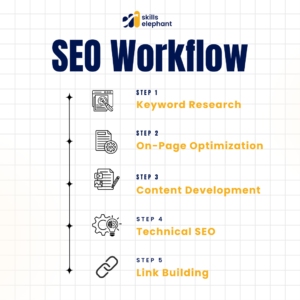
Some important things to do are:
- Keyword research means figuring out what people are looking for.
- Making good content means writing useful and relevant information.
- Technical optimisation means making the structure and speed of a website better.
- Building backlinks means getting other websites to trust you.
SEO builds long-term visibility and credibility.
2. Social Media Marketing (Organic SMM)
Organic social media marketing is all about building your brand’s presence on social media without paying for single money in advertising. This involves creating and sharing content, keeping your audience informed, responding to comments, and generally engaging with people on platforms such as Instagram, Facebook, LinkedIn, and YouTube.
People spend most of the time of their day on social media. Because of this, businesses can easily reach their audience and stay in front of them. It is one of the best ways to connect with people in a simple and direct way.
It helps to make your:
- Brand more visible
- Build trust
- Create a loyal community
- Talk with customers
- And bring more people to your website or offers.
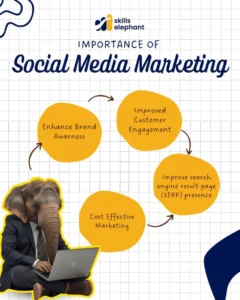
In digital marketing, social media is very important because it helps brands stay active and connected with their audience. When you share useful and engaging content, people are more likely to follow you, trust you, and remember your brand.
3. Meta Ads (Facebook & Instagram Advertising)
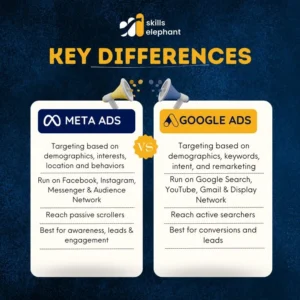
Meta Ads are paid ads on Facebook and Instagram that let businesses reach very specific groups of people. Meta Ads help you get your message in front of potential customers right away, instead of waiting for people to find your brand on their own.
The advanced targeting of Meta Ads is what makes them so effective. Businesses can show ads based on where a user is, how old they are, what they do online, what they like, and even how they have interacted with a website or social media page in the past.
Businesses use them to:
- Promote products
- Generate leads
- Target website visitors again
- Get more people to see your brand
Think about what would happen if someone visited your website but didn’t buy anything. You can use Meta Ads to show them a reminder ad while they look through Instagram. This will remind them to do something when they are ready.
These ads offer strong targeting based on behavior and interests.
In simple terms, Meta Ads allow businesses to reach the right people at the right moment, turning casual scrollers into interested customers.
4. Google Ads (Search & Display Advertising)
Google Ads helps businesses promote themselves by paying for ads on Google. When someone searches for something related, the ad can appear at the top of the page. This helps businesses get noticed faster.
It also includes display ads, which are the image ads we often see on websites, apps, and YouTube. These ads help brands stay visible in front of people.
Benefits:
- Gives quick traffic
- Reaches the right people
- Let’s you control your budget
- Shows clear results
It is a good option for businesses that want quick visibility.
5. Content Marketing
Content marketing means sharing useful and meaningful content with the audience.
This can be through –
- Blogs
- Videos
- Guides,
- Or visuals.
Its aim is to help people first and sell later. When a brand shares helpful content, people start trusting it more.
Good content answers questions, solves problems, and shows that the brand understands its field well. It also supports other digital marketing activities.
6. Email Marketing
Email marketing is a simple way to connect with people directly through email. Businesses use it to send offers, updates, newsletters, and product information. Reaching out directly, landing a message in someone’s inbox, is a surefire way to build strong, enduring connections.
It’s one of the most effective digital marketing strategies because it allows brands to build long-term relationships, not just one-time interactions. When done right, email marketing feels helpful rather than promotional.
Businesses use email marketing for:
- Promotions and special offers
- Newsletters and valuable updates
- Product announcements
- Customer retention and follow-ups
Relationships and loyalty are improved by personalised emails.
7. Pay-Per-Click Advertising (PPC Beyond Google)
PPC means Pay-Per-Click. In this type of advertising, a business has to pay only when someone clicks on the ad. Many people connect PPC only with Google, but it can also be done on platforms like Bing, LinkedIn, YouTube, and other online networks.
- PPC is helpful because its give fast results to businesses
- It is used to get leads, run a campaign fast,
- or test whether a new product or service is getting attention or not.
For example, if a brand starts a new service, it does not need to wait for a long time to get traffic. With the help of PPC, it can start showing ads to people immediately and check how they are responding.
One more benefit of PPC is that it is easy to manage. A business can pause the ad, change it, improve it, or spend more on it depending on the performance.
If you want it to feel even more human, use this slightly more natural version below, which sounds more like student-written notes:
8. Affiliate Marketing
- Affiliate marketing means promoting others brand products by partners in exchange for commissions.
- It expands reach without upfront advertising risk.
- This model is popular in e-commerce and digital services.
9. Influencer Marketing
- Influencers promote brands to their engaged audience.
- Instead of traditional ads, it feels like trusted recommendations.
- It builds credibility, awareness, and social proof.
10. Video Marketing
Video marketing uses Picture content to get messages across, keep people informed, and promote products or services. video marketing is a powerful marketing technique in digital marketing, and for good reason: people generally react more strongly to videos as compare to words and images.
Videos grab attention quickly, explain the intention clearly, and stay memorable. If it’s a short video (that is known as reel and shorts in different platforms like yputube and instagram) or a long tutorial video, video type content helps brands to connect with audiences in a more personal and dynamic way.
Common types of video marketing include:
- Tutorials and how-to guides
- Product demonstrations
- Reels and short-form videos
- Brand storytelling
In short, video marketing helps brands speak directly to their audience in a way that feels natural, engaging, and easy to understand.
11. Mobile Marketing
This type of marketing believe on access users through their phones and tablets, where most online searching now happens. Since people trust deeply on mobile devices for shopping, searching, and social media, businesses must to secure their digital presence works smoothly on smaller screens.
Mobile marketing is not just about visibility; it’s about creating a fast, convenient, and user-friendly experience. If a website or message isn’t optimized for mobile, users are likely to leave quickly.
Key elements of mobile marketing include:
- Accountable websites that adjust to any screen size
- SMS or message-based campaigns for direct communication
- App-based engagement through notifications and updates
12. Marketing Automation
Marketing automation means using tools and software to automatically handle repeated marketing tasks. In place of doing everything manually, businesses can set up systems that send messages, follow up with customers, and manage leads on their own.
This saves a lot of time and helps businesses stay sequent in their communication.
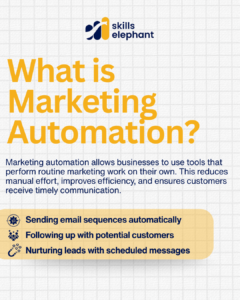
Some typical applications of marketing automation are:
- Automatically sending email sequences.
- Following up with prospects.
- Nurturing leads through scheduled messages.
For example, when someone signs up on a website, an automated email can instantly welcome them and share useful information, without anyone needing to send it manually.
In simple words, marketing automation works like a smart assistant, handling routine tasks so businesses can focus on strategy, creativity, and customer relationships.
How These Strategies Work Together
The true strength of digital marketing lies in the way different channels work together. Consider this:
For example:
- SEO plus content builds authority.
- Google Ads generates immediate traffic.
- Meta Ads retargets users who’ve shown interest.
- Email nurtures leads.
By knowing the various types of digital marketing, businesses can create smarter, integrated campaigns instead of isolated attempts.
Choosing the Right Digital Marketing Mix
Not every strategy suits every business.
Think about:
- Your audience’s behavior.
- Your budget and goals.
- The competition in your industry.
- Your growth timeline.
A well-rounded mix consistently delivers the best results. When you assess the types of digital marketing, you can prioritize what aligns with your objectives, rather than blindly following trends.
The Future of Digital Marketing in the Current Era
Internet marketing is developing, controlled by AI, automation, personalization, and more refined analytics. Businesses that adapt quickly will gain a competitive edge.
Professionals who knows the various types of digital marketing will remain relevant in this rapidly changing landscape.
Final Thoughts
Digital marketing isn’t just a single approach to getting the word out. It’s a mix of multiple types, all working in concert to increase a business’s online presence.
Catching the various types of digital marketing simplifies the process of drawing in the right audience, establishing credibility, and ultimately, converting their interest into tangible outcomes.
Simplicity is key at the outset. Begin with the basics, try out different methods, and then hone in on the ones that actually work.
Progress isn’t quickly; consistent practice, however, can lead to significant improvement.
In simple words, success in the digital world comes from learning, trying new things, and improving step by step.
Frequently Asked Questions About Digital Marketing
1. What are the 4 types of digital marketing?
The four common types of digital marketing are SEO, social media marketing, pay-per-click advertising, and content marketing. These methods help businesses become more visible online, attract visitors, and reach potential customers.
2. What are the 8 types of digital marketing?
The eight types of digital marketing include SEO, social media marketing, PPC, content marketing, email marketing, affiliate marketing, influencer marketing, and mobile marketing. All of these are used to connect with people online and promote a business in different ways.
3. What are the 7 pillars of digital marketing?
The seven pillars of digital marketing are strategy, content, SEO, social media, paid advertising, analytics, and customer engagement. Together, these help create a strong and effective digital marketing plan.
4. What is the most effective type of digital marketing?
There is no single type that works best for everyone. The most effective digital marketing method depends on the business and its goals. In many cases, a mix of SEO, content marketing, and paid ads gives better results.
5. How can small businesses benefit from digital marketing?
Digital marketing helps small businesses reach the right people, grow their brand, build trust, and increase sales. It is also more budget-friendly compared to many traditional marketing methods.
6. How do you measure the success of a digital marketing campaign?
The success of a digital marketing campaign can be checked by looking at website traffic, engagement, leads, conversions, and sales. These results are usually tracked with the help of analytics tools.
7. What are the common challenges in digital marketing?
Some common challenges in digital marketing are keeping up with new trends, dealing with competition, creating content on regularly basis, and knowing the data properly. These things can take time and effort to manage well.